
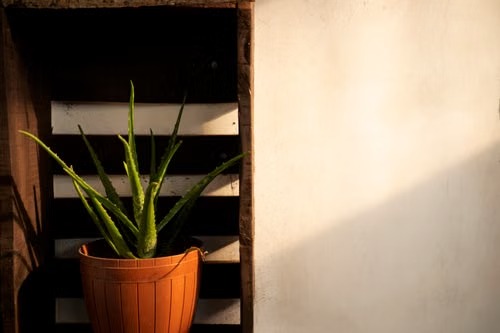
Vastu plants for home can add more than beauty and greenery to your living space. In Vastu Shastra, people traditionally connect certain plants with prosperity, harmony, growth, and positive energy. Their placement also matters because each direction carries a different symbolic quality.
You do not need to turn your home into a garden to follow these principles. Instead, choose healthy plants, give them enough light and space, and place them thoughtfully. This guide explores the best Vastu plants for home, their ideal directions, room-wise placement, and common mistakes to avoid.
Note: Vastu Shastra represents a traditional belief system and does not provide scientifically proven effects on wealth, health, or life events. Plants can, however, make your home feel fresher, more natural, and visually calming.
How Do Plants Influence Vastu Energy?
Vastu Shastra focuses on harmony between people, nature, and the spaces they occupy. Plants naturally bring the element of greenery into a home and can create a stronger connection with nature.
Traditional Vastu practices associate healthy plants with growth, vitality, renewal, and abundance. Therefore, many homeowners use greenery as part of their approach to creating a balanced environment.
However, the plant itself does not tell the whole story. You should also consider its direction, size, condition, sunlight, and surrounding space.
A healthy plant in a suitable location can complement your home’s atmosphere. On the other hand, a neglected or dying plant can make a room feel dull and untidy.
8 Best Vastu Plants for Home
1. Tulsi — A Traditional Symbol of Purity
Tulsi, also known as holy basil, holds a special place in Indian households. Vastu traditions connect Tulsi with purity, protection, devotion, and spiritual well-being.
Many families also include Tulsi in their daily prayers and household routines.
Best directions for Tulsi:
- North
- Northeast
- East
Where should you keep Tulsi?
Choose a clean and well-lit balcony, courtyard, terrace, or outdoor area. Give the plant enough sunlight and airflow.
Vastu tip: Remove dry leaves regularly and keep the area around the plant clean.
2. Money Plant — A Symbol of Growth and Prosperity
The Money Plant remains one of the most popular Vastu plants for home. Its heart-shaped leaves and trailing vines make it an attractive choice for modern interiors.
Vastu traditions connect its healthy growth with abundance and financial progress.
Best directions:
- Southeast
- North
Where can you place it?
Try a bright living-room corner, balcony, or home office. You can also grow it in water if the variety supports hydroponic growth.
Vastu tip: Trim unhealthy leaves and guide the vines neatly instead of allowing them to become tangled.
3. Jade Plant — Invite Prosperity With Greenery
The Jade Plant features thick, rounded leaves that give it a distinctive appearance. Many people associate these rounded leaves with abundance and prosperity.
Its compact size also makes it suitable for apartments, offices, and smaller rooms.
Best directions:
- Southeast
- East
- North
Ideal locations:
- Home office
- Living room
- Study area
- Bright entrance area
Keep the plant where it can receive suitable natural light.
4. Lucky Bamboo — Encourage Growth and Harmony
Lucky Bamboo brings a simple and elegant look to an interior. Its upright stems also make it easy to incorporate into modern home décor.
Traditional practices connect Lucky Bamboo with good fortune, flexibility, growth, and harmony.
Best directions:
- East
- Southeast
Vastu tip:
If you grow Lucky Bamboo in water, change the water regularly. Also, remove unhealthy stems as soon as they begin to deteriorate.
5. Areca Palm — Add Freshness to Your Space
Areca Palm works particularly well when you want to introduce a larger green element into your home. Its long leaves create a soft and tropical appearance.
Healthy greenery can also make a room feel more inviting and connected to nature.
Suitable directions:
- East
- Southeast
- South
Best locations:
- Living room
- Balcony
- Spacious study
- Work area
Place the plant in a corner where it does not block doors, windows, or walking paths.
6. Peace Lily — Create a Calm Atmosphere
Peace Lily combines dark green leaves with elegant white flowers. Its appearance makes it a popular choice for bedrooms, living rooms, and quiet corners.
Vastu-inspired interiors often use calming greenery to support a peaceful atmosphere.
Suitable directions:
- East
- North
- Northeast
Keep your Peace Lily in bright, indirect light and water it according to its needs.
7. Snake Plant — A Low-Maintenance Green Choice
Snake Plant offers tall, upright leaves and requires relatively little maintenance. That makes it a practical choice for people who want greenery without spending too much time caring for plants.
Many modern Vastu guides also recommend it for its resilient nature.
Suitable directions:
- East
- South
- Southeast
Good locations:
- Bedroom
- Living room
- Study
- Office
Avoid overcrowding the room with several large plants.
8. Aloe Vera — Bring Natural Freshness Indoors
Aloe Vera adds a simple and refreshing touch to your home. Many households also value the plant for its traditional uses.
Vastu-inspired practices connect Aloe Vera with freshness and positive energy.
Suitable directions:
- East
- North
- Northeast
A sunny windowsill or balcony can work well if the plant receives the amount of light it needs.
Which Direction Is Best for Vastu Plants?
Direction plays an important role in traditional Vastu plant placement. Different directions carry different symbolic qualities, so choose the location carefully.
North — Growth and Opportunities
Vastu traditions connect the north with prosperity, opportunities, and financial growth.
You can place smaller green plants in this direction.
Good options:
- Money Plant
- Jade Plant
- Lucky Bamboo
East — Light and New Beginnings
The east receives the morning sun, which makes it a natural choice for many plants.
This direction traditionally represents vitality, freshness, and new beginnings.
Good options:
- Tulsi
- Aloe Vera
- Bamboo
- Peace Lily
Northeast — Keep the Space Light
Vastu gives special importance to the northeast. Instead of filling this area with large plants, keep it open, clean, and uncluttered.
If you want greenery here, choose a small and healthy plant.
Tip: Avoid creating a dense plant corner in the northeast.
Southeast — Connect With Prosperity
Vastu associates the southeast with the fire element. Many practitioners recommend this direction for plants linked with prosperity and growth.
Good options:
- Money Plant
- Jade Plant
- Lucky Bamboo
South and Southwest — Use Plants Thoughtfully
You can use larger plants in these areas to add visual balance. However, avoid blocking windows, entrances, or ventilation.
Always consider the actual needs of your plants before choosing a location.
Best Vastu Plants for Different Rooms
Living Room
The living room offers plenty of opportunities to introduce greenery.
Consider:
- Areca Palm
- Peace Lily
- Money Plant
- Jade Plant
- Lucky Bamboo
Place larger plants in corners and keep pathways clear.
Bedroom
A bedroom should feel calm rather than crowded. Choose one or two manageable plants instead of creating a dense indoor garden.
Good choices include:
- Snake Plant
- Peace Lily
- Aloe Vera
- Small Money Plant
Most importantly, maintain good airflow and avoid excessive plant clutter.
Home Office
Plants can make a workspace feel more natural and inviting.
Try:
- Jade Plant
- Money Plant
- Lucky Bamboo
- Snake Plant
- Small Areca Palm
Keep plants away from your keyboard, important documents, and other work equipment.
Balcony
A balcony provides an excellent opportunity to create a small green corner.
Depending on sunlight and space, consider:
- Tulsi
- Aloe Vera
- Areca Palm
- Jasmine
- Money Plant
Arrange plants according to their light requirements rather than simply following direction-based rules.
Which Plants Should You Avoid According to Vastu?
Vastu traditions often recommend avoiding plants that look unhealthy, create clutter, or carry strong thorn symbolism indoors.
1. Dead or Dying Plants
Do not keep dead plants inside your home.
Remove dry leaves and replace plants that no longer recover. A healthy plant creates a much more pleasant environment.
2. Excessive Thorny Plants
Some Vastu traditions advise against keeping thorny plants indoors because their sharp appearance can symbolically represent tension or conflict.
You can keep such plants outdoors if you enjoy them, while maintaining a clean and comfortable interior.
3. Neglected Plants
Even a traditionally auspicious plant loses its decorative value when you leave it dusty, diseased, or overgrown.
Check your plants regularly and give them the care they need.
4. Excessive Artificial Greenery
Artificial plants can work well as décor, but they do not provide the same connection with living greenery.
Whenever possible, choose a few real plants that can thrive in your home’s conditions.
Common Vastu Plant Placement Mistakes
Even the best Vastu plants for home can create problems if you place them carelessly.
Blocking the Main Entrance
Do not let large plants block your doorway. Keep the entrance open and welcoming.
Overcrowding the Northeast
Avoid filling the northeast with large pots and dense greenery. Keep this area light and spacious.
Ignoring Sunlight
A plant cannot thrive simply because you placed it in a Vastu-friendly direction. Always check its actual sunlight requirements.
Keeping Dead Leaves
Remove yellow, dry, or fallen leaves regularly. This simple habit keeps your plant area fresh.
Allowing Water to Stagnate
Check plant trays and containers regularly. Remove excess water and keep the area clean.
Choosing Plants Only for Vastu
Your home environment matters too. Select plants that suit your available light, temperature, space, and maintenance routine.
How to Maintain Positive Energy With Plants
You do not need dozens of plants to create a beautiful and balanced home. Instead, focus on keeping a smaller collection healthy.
Follow these simple habits:
- Clean dusty leaves regularly.
- Remove dead leaves quickly.
- Water plants according to their needs.
- Give each plant enough space.
- Use clean and suitable pots.
- Provide adequate sunlight.
- Keep plant corners organised.
- Trim excessive growth.
- Remove diseased plants when necessary.
Most importantly, healthy greenery matters more than the number of plants you own.
Can Vastu Plants Really Change the Energy of Your Home?
Vastu traditions suggest that plants can influence the atmosphere and energetic balance of a space. However, science does not establish that a particular plant or direction can directly change wealth, relationships, or destiny.
Plants can still influence your surroundings in practical ways. Greenery can add visual interest, create a stronger connection with nature, and make a room feel more welcoming.
Therefore, you can approach Vastu plants for home as one part of a broader lifestyle practice. Combine thoughtful plant placement with good lighting, cleanliness, ventilation, organisation, and comfortable interior design.
A Simple Vastu Plant Arrangement for Your Home
You can start with a simple arrangement instead of buying many plants.
At the entrance
Choose one attractive plant that does not obstruct the doorway.
In the living room
Place an Areca Palm or Peace Lily in a bright corner.
In the northeast
Keep the area open and uncluttered. Add only a small plant if you want greenery there.
In the southeast
Try a Money Plant or Jade Plant.
In the bedroom
Choose a manageable Snake Plant or another suitable indoor plant.
On the balcony
Create a small green space with Tulsi, Aloe Vera, Jasmine, or other plants that suit your sunlight conditions.
This approach lets you enjoy greenery without overcrowding your home.
Frequently Asked Questions About Vastu Plants
Which plant is best for positive energy at home?
Tulsi, Money Plant, Jade Plant, Lucky Bamboo, Peace Lily, and other healthy green plants commonly appear in Vastu recommendations. Your home’s light, space, and plant-care conditions should also guide your choice.
Which plant attracts wealth according to Vastu?
Vastu traditions commonly connect the Money Plant and Jade Plant with prosperity and financial growth. Many people place them in the north or southeast according to their preferred Vastu practice.
Can I keep plants in my bedroom?
Yes. You can keep suitable plants in your bedroom. Choose manageable varieties such as Snake Plant or a small Peace Lily, and avoid overcrowding the space.
Is Tulsi good for home according to Vastu?
Yes. Vastu traditions consider Tulsi highly auspicious. Many households associate it with purity, protection, and spiritual well-being.
Which plants should I avoid inside the house?
Traditional Vastu advice commonly recommends avoiding dead plants and limiting thorny plants indoors. However, different Vastu traditions may offer different recommendations.
How many Vastu plants should I keep at home?
You do not need a specific number. Start with a few healthy plants and place them where they can thrive. A small, well-maintained collection works better than a crowded indoor garden.
Final Thoughts
The right Vastu plants for home can combine traditional symbolism with the natural beauty of greenery. Tulsi can add a sense of purity, Money Plant can represent growth, Jade Plant can symbolise prosperity, and plants such as Peace Lily and Areca Palm can soften your interior.
However, do not focus only on Vastu directions. Your plants also need sunlight, water, airflow, space, and regular care.
Ultimately, a harmonious home comes from the choices you make every day. Keep your surroundings clean, choose plants that thrive in your environment, and create spaces that feel comfortable and peace.