
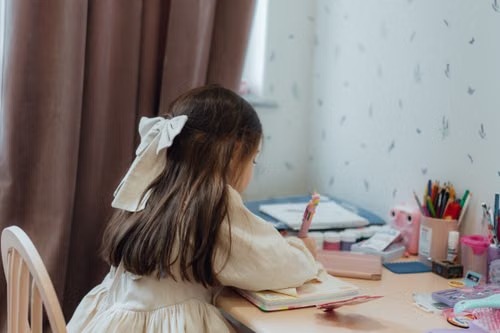
Creating a comfortable study space can make a big difference to a child’s daily routine. From lighting and furniture to noise levels and organisation, several factors can influence how easily children concentrate.
Vastu for children’s study rooms offers another traditional approach to arranging this space. Vastu Shastra focuses on directions, room placement, colours, and the positioning of furniture to create a balanced environment.
While Vastu should not replace good study habits or a child’s individual needs, these traditional principles can help you create a calm and organised study area.
So, which direction should a child’s study room face? Where should the desk go? Which colours are considered suitable?
Let’s explore the traditional Vastu recommendations.
Which Direction Is Best for a Children’s Study Room?
Direction is one of the most important considerations in Vastu Shastra.
Traditionally, the east, north, and northeast directions are often associated with learning, clarity, and positive energy.
An east-facing study arrangement is commonly recommended because the direction is traditionally connected with the rising Sun.
A north-facing arrangement is also considered suitable for students, particularly when the goal is to encourage concentration and learning.
The northeast is traditionally viewed as a spiritually and intellectually significant area. If possible, keeping this part of the study space clean, bright, and uncluttered can complement traditional Vastu principles.
However, you do not need to completely redesign your home if your child’s room is located elsewhere. The placement of the study desk within the room can still be considered.
Where Should a Child’s Study Desk Be Placed?
Desk placement is one of the easiest Vastu changes to make.
According to traditional Vastu principles, a child should ideally face east or north while studying.
The desk should allow the child to sit comfortably without facing a blank wall at very close range.
If possible, position the desk so that there is some open space in front of the child. This can make the area feel less confined and more comfortable.
The child’s back should ideally have a solid wall behind it rather than an open doorway or large window.
A stable wall behind the chair is traditionally associated with support and stability.
Vastu Tips for Study Desk Placement
Keep these practical points in mind when arranging the desk:
- Let the child face east or north while studying.
- Keep the desk in a well-lit area.
- Avoid placing the desk directly in front of a doorway.
- Keep enough space around the chair for comfortable movement.
- Avoid unnecessary clutter on the desk.
- Use a comfortable chair that supports good posture.
- Keep frequently used books and stationery organised.
Good Vastu arrangement should work alongside practical study needs.
A desk that follows traditional directional principles but causes glare, poor posture, or distractions is not a useful study environment.
Which Colours Are Best for a Study Room?
Colour can strongly influence the atmosphere of a room.
In Vastu traditions, lighter and softer shades are often preferred for children’s study spaces.
Colours commonly considered suitable include:
- Light green
- Light yellow
- Cream
- White
- Beige
- Soft blue
These colours can create a bright and peaceful atmosphere without making the room feel overwhelming.
Why Choose Lighter Colours?
A study room should ideally feel calm rather than visually chaotic.
Very intense colours can dominate a small room, especially when used across every wall.
If your child enjoys brighter colours, you can still introduce them through small decorative elements, stationery, artwork, or accessories.
The goal is to create a space that feels pleasant and motivating.
Should You Use Green in a Study Room?
Green is a popular choice for children’s study spaces.
From a Vastu perspective, green is traditionally associated with growth, learning, and balance.
A soft green wall, plant, desk accessory, or decorative element can introduce the colour without overwhelming the room.
However, there is no need to make everything green.
A neutral base combined with small amounts of green can create a more balanced appearance.
What About Yellow?
Yellow is another colour commonly associated with learning and positivity in traditional Vastu.
A soft or pastel yellow can make a room feel bright and cheerful.
Avoid extremely bright shades if they make the room feel visually intense.
Muted yellow, cream, or warm neutral shades can work particularly well in a child’s study area.
Where Should Books and Study Materials Be Kept?
Organisation is another important part of creating a good study environment.
According to traditional Vastu principles, bookshelves are often recommended along the west, southwest, or south walls, depending on the room layout.
Avoid allowing books and papers to pile up randomly around the study desk.
A cluttered workspace can make it harder for a child to focus, regardless of Vastu principles.
Keep the books your child uses regularly within easy reach.
Less frequently used books can be stored separately to keep the desk area clear.
Should There Be a Window Near the Study Desk?
Natural light can make a study room feel more comfortable and inviting.
If the room has a window, try to arrange the desk so that natural light reaches the workspace without creating glare on the child’s books or computer screen.
A window directly behind the computer screen can also create distracting reflections.
Traditional Vastu principles often favour natural light and ventilation, so a bright, airy study room can fit well with both practical design and Vastu considerations.
What Should You Avoid in a Child’s Study Room?
A few simple changes can make the study area more comfortable.
Try to avoid:
- Excessive clutter
- Poor lighting
- Broken furniture
- Extremely dark wall colours
- Too many distracting decorations
- Uncomfortable chairs
- Loud electronic distractions
- A desk positioned where constant movement is visible
The study room should feel organised and peaceful.
If possible, keep televisions, gaming consoles, and other major distractions away from the primary study area.
Should Mirrors Be Placed in a Study Room?
Mirrors are sometimes discussed in Vastu recommendations for study rooms.
Rather than following a blanket rule, consider the practical effect of the mirror.
If a mirror constantly reflects movement behind the child, it may become distracting.
A study space should minimise visual interruptions.
If you choose to include a mirror, place it where it does not interfere with concentration or create uncomfortable reflections.
Plants in a Children’s Study Room
Small indoor plants can make a study room feel fresher and more connected to nature.
If you want to incorporate plants according to traditional Vastu preferences, choose healthy, well-maintained plants rather than allowing dry or dying plants to remain in the room.
Avoid filling the study space with too many plants. The room should remain functional and easy to clean.
A single small plant on or near the study area can be enough.
Vastu and Electronics in the Study Room
Modern children often study using laptops, tablets, and smartphones.
Vastu principles can be considered when arranging these items, but practical ergonomics should come first.
Place screens at a comfortable height and ensure that the child has adequate lighting.
Avoid positioning a computer where direct sunlight causes glare.
Most importantly, keep unnecessary notifications and devices away during focused study sessions.
A well-arranged room cannot compensate for constant digital distractions.
A Simple Vastu Study Room Setup
If you’re starting from scratch, you can keep the arrangement simple.
Try this basic setup:
Desk: Place it so the child faces east or north.
Chair: Keep a solid wall behind the child when practical.
Lighting: Use plenty of natural light and add a comfortable study lamp.
Colours: Choose light green, soft yellow, cream, white, beige, or soft blue.
Books: Keep books organised and avoid unnecessary piles.
Decor: Keep the room motivating but not overcrowded.
Electronics: Position screens comfortably and minimise distractions.
Cleanliness: Keep the desk and surrounding area organised.
These changes do not require an expensive renovation.
Even small adjustments can make the study environment feel more structured.
Does Vastu Really Improve a Child’s Concentration?
It is important to keep expectations realistic.
There is no strong scientific evidence that Vastu directions or colours directly increase a child’s academic performance.
Concentration depends on many factors, including sleep, nutrition, learning methods, stress, motivation, teaching quality, and the child’s individual environment.
Vastu can be used as a traditional framework for organising the space, but it should complement—not replace—healthy study habits.
A comfortable chair, adequate lighting, quiet surroundings, and regular breaks are likely to be more important for practical study performance.
Final Thoughts on Vastu for Children’s Study Rooms
Vastu for children’s study rooms focuses on creating a balanced and organised environment through direction, placement, colour, and cleanliness.
If possible, let your child face east or north while studying. Choose calming colours, keep books organised, provide adequate natural light, and reduce unnecessary distractions.
Most importantly, design the room around the child’s comfort.
Vastu can provide traditional guidelines, but a successful study space should also support good posture, concentration, healthy routines, and your child’s individual learning style.
The best study room is ultimately one where your child feels comfortable, focused, and motivated to learn.
Frequently Asked Questions
Which direction is best for a child’s study room?
East and north are traditionally considered favourable directions for studying in Vastu Shastra. The northeast is also traditionally associated with learning and clarity.
Which direction should a child face while studying?
Traditional Vastu recommendations commonly suggest that children face east or north while studying.
Which colour is best for a children’s study room?
Light green, soft yellow, cream, white, beige, and soft blue are commonly preferred for study spaces. Choose shades that create a calm and comfortable atmosphere.
Where should the study table be placed according to Vastu?
The desk should ideally allow the child to face east or north. A solid wall behind the child is also traditionally preferred for a sense of stability.
Can a child study in a bedroom?
Yes. If a separate study room is not available, you can create a dedicated study corner within the bedroom. Keep the area organised and separate it visually from sleeping and entertainment spaces when possible.
Should a study room have a window?
Natural light and ventilation can make a study room more comfortable. Position the desk so that sunlight does not create glare on books or screens.
Does Vastu guarantee better academic performance?
No. Vastu does not guarantee better grades or academic results. It can be used as a traditional approach to organising a study environment, while learning habits, sleep, motivation, teaching, and overall wellbeing remain important factors.