
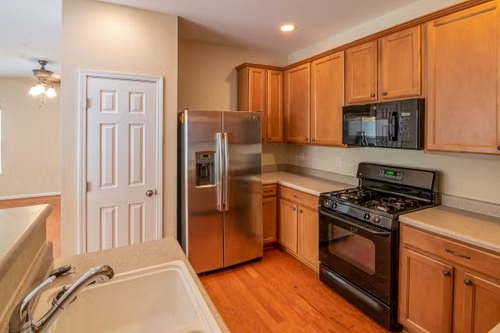
The kitchen is one of the most important spaces in Vastu Shastra because it represents the element of fire, or Agni. According to Vastu principles, the direction, placement of appliances, colours, and overall arrangement of the kitchen can influence the energy and harmony of a home.
A well-planned Kitchen Vastu layout aims to create balance between the five elements — fire, water, earth, air, and space. While Vastu is a traditional practice rather than a scientifically proven system, many homeowners use these principles when designing or organising their kitchens.
Why Kitchen Vastu Matters
The kitchen is associated with Agni, the fire element, which traditionally represents energy, transformation, nourishment, and vitality. Because cooking involves heat and fire, Vastu recommends placing the kitchen in a direction that supports the fire element.
However, Kitchen Vastu is not limited to choosing a direction. The placement of the stove, sink, refrigerator, windows, storage cabinets, and colours also contributes to the overall layout.
Therefore, when planning a kitchen, consider the direction, appliance placement, colours, ventilation, and cleanliness together rather than relying on a single Vastu rule.
Best Direction for a Kitchen According to Vastu
1. Southeast — The Ideal Kitchen Direction
The southeast direction is traditionally considered the best location for a kitchen because it is associated with the fire element.
If possible, place the kitchen in the southeast portion of the home. The cooking stove can also face east while cooking, as this is traditionally considered favourable.
Best suited for:
- Main kitchens
- Gas stoves and cooking areas
- Homes where the southeast layout is practical
2. Northwest — A Suitable Alternative
If a southeast kitchen is not possible, the northwest direction is generally considered the next suitable option.
The northwest is associated with movement and the air element, so it can work well for kitchens where cooking activity is frequent.
However, the exact placement should depend on the home’s overall layout.
3. Northeast Kitchen
According to traditional Vastu guidelines, the northeast is generally not considered ideal for a kitchen because this direction is associated with water and spiritual energy, while the kitchen represents fire.
If your kitchen is already located in the northeast, there is no need to panic. Practical changes such as maintaining good ventilation, organising the space, and consulting a Vastu professional for personalised recommendations may help you work with the existing layout.
Kitchen Stove Placement According to Vastu
The stove is one of the most important elements in Kitchen Vastu because it represents the Agni element.
Ideally:
- Place the stove in the southeast area of the kitchen.
- The person cooking should preferably face east.
- Avoid placing the stove directly next to the sink.
- Maintain some separation between fire and water elements.
- Keep the cooking area clean and uncluttered.
The kitchen platform should also provide enough space around the stove so that cooking remains comfortable and safe.
Sink and Water Placement
Water represents a different element from fire, so Vastu traditionally recommends keeping the sink away from the stove.
The north or northeast portion of the kitchen is commonly preferred for the sink.
Try to avoid placing the sink immediately beside or directly opposite the stove if the layout allows.
From a practical perspective, keeping adequate space between the sink and stove also improves kitchen functionality and reduces splashing around cooking areas.
Refrigerator Placement in Kitchen Vastu
The refrigerator is another major kitchen appliance and should have sufficient space around it for ventilation and convenient access.
According to common Vastu recommendations, the southwest, west, or northwest areas can be suitable for refrigerator placement.
Avoid overcrowding the refrigerator with other appliances. A clean and organised arrangement makes the kitchen easier to use and maintain.
Kitchen Colours According to Vastu
Colours can significantly influence how a kitchen feels. Vastu traditionally recommends warm, natural, and balanced shades for spaces associated with fire.
Recommended Kitchen Colours
Consider:
- Light orange
- Peach
- Terracotta
- Pink
- Beige
- Cream
- Light yellow
- Earthy tones
These colours can create a warm and welcoming atmosphere while complementing the fire element.
Colours to Use Carefully
Very dark shades, particularly excessive black, dark blue, or deep grey, are traditionally considered less suitable for kitchens.
You do not necessarily have to eliminate these colours completely. Instead, use them as small accents through handles, décor, countertops, or accessories rather than making them the dominant colour.
Kitchen Platform and Countertop Placement
The kitchen platform should provide sufficient working space while maintaining a logical separation between cooking and washing areas.
A practical Vastu-friendly arrangement could include:
Stove → preparation area → sink
rather than placing the stove and sink directly next to one another.
For countertops, earthy shades such as beige, cream, brown, or natural stone tones are commonly preferred.
The most important consideration, however, should remain durability, hygiene, and ease of maintenance.
Kitchen Window and Ventilation
Good ventilation is essential in every kitchen. From a Vastu perspective, windows or ventilation openings are often preferred toward the east, north, or west, depending on the home’s overall structure.
A well-ventilated kitchen helps remove:
- Cooking smoke
- Heat
- Odours
- Excess moisture
An exhaust fan or chimney should be positioned appropriately above the cooking area.
Vastu recommendations should never compromise basic ventilation or fire safety.
Kitchen Storage and Cabinet Placement
Storage plays an important role in maintaining an organised kitchen.
According to traditional Vastu principles:
- Heavy cabinets can be placed toward the south or west.
- Lighter storage can occupy the north or east.
- Avoid unnecessary clutter on kitchen platforms.
- Store frequently used items where they are easily accessible.
- Keep grains, pulses, and food containers properly organised.
A clutter-free kitchen not only follows traditional Vastu principles but also makes everyday cooking easier.
Placement of Microwave, Oven, and Other Appliances
Electrical appliances generate heat and therefore traditionally relate to the fire element.
Microwaves, ovens, and other heating appliances can be placed toward the southeast or south where practical.
At the same time, electrical safety should come first. Keep appliances away from water sources and ensure that electrical connections can safely handle the load.
Kitchen Vastu: What to Avoid
When arranging a kitchen, traditional Vastu guidelines commonly recommend avoiding:
- A kitchen directly under or above a bedroom, where possible
- Stove and sink immediately next to each other
- Excessive clutter
- Poor ventilation
- Broken appliances that are no longer used
- Leaking taps or pipes
- Excessive use of very dark colours
- Blocking windows or ventilation openings
- Placing heavy storage randomly throughout the kitchen
Most importantly, do not make structural changes solely based on Vastu without considering the building’s safety, plumbing, electrical system, and practical requirements.
Kitchen Vastu for Different Directions
Not every home allows the ideal southeast kitchen. If you are working with an existing property, the following traditional guidance can provide a starting point:
Southeast: Traditionally considered the best direction because of its association with Agni.
Northwest: Often considered a suitable alternative when southeast is unavailable.
South: Can work depending on the overall floor plan and placement of the fire element.
West: May be workable with appropriate appliance and cooking-area placement.
North: Requires careful planning because the direction is traditionally associated with water and prosperity.
Northeast: Generally avoided for kitchens in traditional Vastu because of its association with water and spiritual energy.
A complete Vastu assessment should consider the entire floor plan rather than judging a kitchen direction in isolation.
Simple Kitchen Vastu Tips for Everyday Harmony
You don’t always need to renovate your kitchen to apply Vastu principles. Small changes can make the space feel more organised and intentional.
Keep the Kitchen Clean
Regularly clean the stove, countertops, cabinets, and floor. Remove expired food and unused appliances.
Fix Leaking Taps
Water leakage is traditionally associated with energy and resource wastage. Practically, fixing leaks also prevents water damage and unnecessary consumption.
Keep the Stove Functional
The stove represents the central fire element of the kitchen. Keep burners clean and repair or replace damaged equipment promptly.
Maintain Separation Between Fire and Water
Keep the stove and sink at a reasonable distance whenever possible. This is both a traditional Vastu recommendation and a practical kitchen-design principle.
Let in Natural Light
Natural light can make the kitchen feel brighter, cleaner, and more welcoming. Keep windows and ventilation areas unobstructed.
Kitchen Vastu and the Five Elements
Kitchen Vastu becomes easier to understand when viewed through the traditional five-element framework.
Fire (Agni): Stove, oven, microwave and other heat-producing appliances.
Water (Jal): Sink, water purifier and plumbing.
Earth (Prithvi): Kitchen flooring, countertops, grains and heavy storage.
Air (Vayu): Ventilation, windows and movement within the kitchen.
Space (Akash): Open areas and the overall sense of roominess.
The goal is not to eliminate any element but to create a balanced and functional environment.
From the Astrologer’s Desk
“The kitchen is more than a place where food is prepared. In Vastu tradition, it represents the fire that transforms nourishment into energy. However, I always advise clients not to become anxious about an imperfect kitchen direction. Vastu should help create harmony, not fear. Start with cleanliness, ventilation, organised placement, and a balanced use of the elements. For major concerns, a personalised Vastu assessment is more meaningful than following isolated rules from the internet.”
Frequently Asked Questions
Which direction is best for a kitchen according to Vastu?
The southeast direction is traditionally considered the most favourable for a kitchen because it represents the fire element. The northwest is often considered a suitable alternative.
Which direction should I face while cooking?
According to traditional Kitchen Vastu, facing east while cooking is generally preferred.
Where should the kitchen sink be placed?
The north or northeast area of the kitchen is commonly recommended for the sink. Try to maintain some separation between the sink and stove.
Which colour is best for a Vastu-friendly kitchen?
Light and warm shades such as peach, orange, cream, beige, light yellow, and earthy tones are commonly recommended.
Can I have a kitchen in the northeast direction?
Traditional Vastu generally considers the northeast less suitable for a kitchen. However, an existing northeast kitchen does not mean that your home is automatically inauspicious. The complete floor plan and practical layout should be considered before making changes.
Where should the refrigerator be placed according to Vastu?
The southwest, west, or northwest areas are commonly recommended for refrigerators. However, adequate ventilation and convenient access should take priority.
Can the stove and sink be next to each other?
Traditional Vastu recommends keeping fire and water elements separate. Therefore, placing the stove directly beside the sink is generally discouraged. A practical gap between them is preferable.
Does Kitchen Vastu really affect family life?
Vastu is a traditional belief system and there is no established scientific evidence that kitchen direction directly determines health, wealth, or family outcomes. Many people nevertheless use Vastu as a framework for creating an organised and intentional living environment.
Do I need to rebuild my kitchen if its direction is not Vastu-compliant?
Not necessarily. Avoid making expensive structural changes based only on a single Vastu rule. First consider practical improvements such as cleanliness, ventilation, appliance placement, lighting, and organisation. For significant concerns, consult a qualified Vastu practitioner who can assess the complete floor plan.