
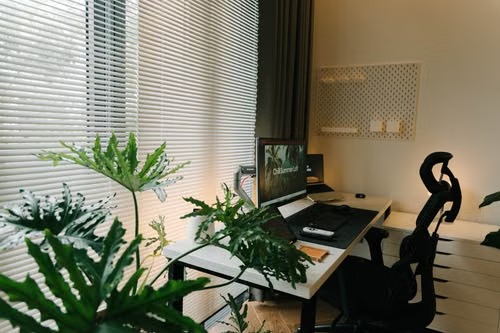
Some Vastu consultation requests come in vague — general curiosity about a home’s energy, or a family simply wanting a check-up. Others arrive with a specific, pressing problem attached. This case study covers one of the latter. A freelance graphic designer’s home office had become a genuine source of stress. Here’s what specific, practical changes shifted things. Details have been changed for privacy, but the layout problems and fixes described here reflect real, common patterns we see again and again.
The Problem: A Business That Wouldn’t Grow
We’ll call our client Kavita. She’d been running her freelance design business from home for two years, working from a corner of her spare bedroom. On paper, her business had every reason to succeed. She had a strong portfolio, steady referrals, and competitive rates. In practice, though, she described constant low-grade friction. Clients went quiet mid-project. Invoices took months to get paid. She found it persistently difficult to land bigger clients despite consistently good work.
She didn’t come to us assuming Vastu would fix her business outright. A friend suggested her workspace might be worth a look, since nothing else about her situation seemed to explain the pattern. That’s what brought her in, genuinely curious.
The Assessment: What the Space Actually Looked Like
The initial consultation involved a full walkthrough of Kavita’s workspace, both in person and through photos and a floor plan she shared beforehand. A few issues stood out immediately.
Desk facing south: Kavita’s desk sat against the room’s only available wall, which happened to face south. She worked facing this direction for eight or more hours most days. She hadn’t realised this specific detail carried any significance.
Desk directly under a window, in a direct line with the door: The room’s layout left her desk positioned directly in the sightline of the bedroom door. A window sat immediately behind her chair. This combination meant she sat exposed to a direct rush of energy from the doorway, without any solid support behind her.
Clutter accumulation in the southwest corner: The room’s southwest corner had become an unofficial storage zone. Old client files, unused equipment, and general overflow from the rest of the apartment piled up there. Vastu tradition associates this corner with stability. A cluttered, chaotic southwest corner is believed to undermine exactly that.
No clear boundary between work and rest: The desk sat in her bedroom, with no divider or visual separation. The space blurred work and rest energy constantly as a result. Kavita mentioned she often felt “half at work, half not,” even during focused work sessions.
The Recommendations: What Actually Changed
Working within her existing furniture and room constraints — a full renovation wasn’t on the table — we recommended four specific, achievable changes.
Reposition the desk to face east. The room’s layout allowed for a diagonal repositioning. This let Kavita face east while keeping the desk against a wall for back support. It required moving one bookshelf to a different wall, but no major furniture purchases.
Move the desk out of direct line with the door. The new diagonal placement solved this issue too. It shifted her sightline away from a direct doorway view, while still letting her see the door from her peripheral vision.
Clear and reorganise the southwest corner. Kavita sorted through the accumulated clutter. She kept genuinely useful items in labelled, closed storage rather than open piles, and discarded or donated the rest. This took an afternoon, not a renovation.
Add a simple room divider. A lightweight folding screen, placed between the desk area and the bed, created a visual boundary without requiring any structural change. Kavita also committed to closing her laptop and moving work materials behind the divider at the end of each workday.
The Results: What Kavita Reported
We followed up with Kavita roughly two months after implementing these changes. She reported a noticeable shift in several areas. She was careful to note something important, though: she couldn’t say with certainty how much came from the Vastu adjustments specifically, versus other factors happening in her business around the same time.
Client communication improved first. Projects that had stalled for weeks suddenly moved forward again. Two long-overdue invoices got paid within the same month. She also picked up two new clients through referrals during this period — modest growth, but a genuine shift from the plateau she’d described before.
Beyond the business metrics, Kavita described a subjective change too. She felt more settled during work hours. She also found it easier to mentally “leave work” in the evenings once the room divider became part of her daily routine.
Why This Case Matters Beyond One Client’s Story
Kavita’s situation illustrates something worth emphasising: meaningful Vastu changes don’t always require major renovation or expense. Her fixes involved repositioning existing furniture, an afternoon of decluttering, and one inexpensive room divider. The value came from identifying which specific issues mattered most in her particular space. From there, we addressed them directly, rather than attempting a sweeping overhaul.
This also illustrates an honest point about Vastu consultation work generally. We can’t claim certainty about direct causation between a repositioned desk and a paid invoice. What we can say is more measured: Kavita’s subjective experience of her workspace improved meaningfully, and her business metrics moved in a positive direction during the same window. We see this pattern often enough with similar cases to take it seriously, even while acknowledging other factors likely played a role too.
Common Patterns Worth Checking in Your Own Home Office
Does Kavita’s situation sound familiar? A few starting points are worth checking in your own space, based on patterns that show up repeatedly across similar consultations.
Where to Look First
Check your desk’s facing direction first, since this single factor carries outsized weight in most assessments. Look at whether your desk sits in a direct line with a door, and whether you have solid support behind your chair. Take an honest look at your space’s southwest corner specifically, since clutter here shows up as a recurring theme across many consultations. Does your workspace share a room with another function — sleeping, dining, storage? Consider whether some kind of visual boundary might help, even a simple one.
Frequently Asked Questions
How much did Kavita’s changes cost to implement? The total cost stayed modest. A single room divider was the only new purchase, alongside some inexpensive storage containers for the reorganised southwest corner. The desk repositioning and decluttering required time and effort rather than money. This reflects a common pattern in home office consultations: the highest-impact changes are often free or low-cost.
Is it realistic to expect business results from a Vastu consultation? We’re careful never to promise specific business outcomes, since many factors beyond a workspace’s layout influence a business’s success. A Vastu consultation can reasonably offer a more supportive, focused environment. Many clients report positive shifts alongside these changes, as Kavita did. We’d encourage treating this as one supportive factor among many, not a guaranteed fix.
Do I need a full consultation to identify these kinds of issues, or can I check them myself? Many of the patterns described here — desk direction, door alignment, clutter in specific corners — can be checked without a formal consultation. General Vastu guides like the ones on our site cover these basics well. A personalised consultation adds value when you want your specific chart and space assessed together, or when self-guided changes haven’t produced the shift you’re looking for.
How long did it take to implement all four changes? Kavita completed all four changes over a single weekend, since none required contractors or major purchases. This timeline is fairly typical for home office adjustments that don’t involve structural changes. Most of the work involves furniture repositioning and organisation rather than renovation.
What if my home office has issues that can’t be fixed without moving furniture I can’t move, like a fixed built-in desk? Fixed layouts limit your options, but small remedies still help. A strategically placed mirror can offset a difficult facing direction. Decluttering, colour choices, and lighting adjustments remain available even when the desk itself can’t move. A personalised consultation can help identify the most effective remedies for your specific constraints.