
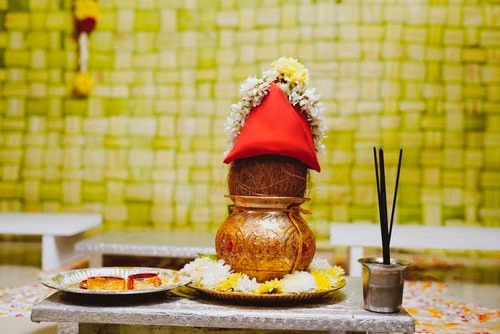
You don’t need a dedicated room to create a meaningful puja space at home. A home puja corner Vastu layout works just as well in a studio apartment as it does in a larger house. This guide walks through the process step by step. It covers direction, idol placement, materials, and daily upkeep. You’ll be able to set up a sacred corner that feels right, regardless of how much space you have.
For a broader look at how direction shapes a home’s energy, see this overview of Vastu Shastra principles.
Why a Home Puja Corner Vastu Layout Matters
Vastu Shastra treats the puja space as the most spiritually significant corner of the home. Tradition believes it influences the household’s overall energy far more than its physical size suggests. Getting the direction and placement right sets the tone for the entire home’s energy, even in a small corner. This is exactly why so many families prioritise their home puja corner Vastu layout, even when they treat other rooms more casually.
Step 1: Choose the Right Direction for Your Puja Corner
Start by identifying the best location within your home. The northeast corner, known as Ishan Kon, ranks as the most auspicious direction for a puja space in Vastu tradition. This corner naturally aligns with spiritual energy and positivity.
Is the northeast unavailable in your layout? The east or north walls work as strong alternatives. Avoid placing your puja corner under a staircase, next to a bathroom, or in a bedroom’s southwest corner. Vastu tradition considers these placements disruptive to the space’s sanctity.
Quick direction guide:
- Best: Northeast (Ishan Kon)
- Good alternatives: East or North
- Avoid: Southwest corners, under staircases, adjacent to bathrooms
Step 2: Pick a Shelf or Floor Unit
Once you’ve settled on a direction, decide how to physically set up the space. A small wall-mounted shelf works beautifully in compact homes. It keeps the floor clear and creates a clean, elevated focal point. A dedicated floor unit or small wooden mandir suits homes with a little more room to spare.
Either way, position the unit at a comfortable eye level. Don’t place it so high that it feels inaccessible, and don’t place it so low that it sits near the ground.
Step 3: Face the Right Direction While Praying
Once your shelf or unit is in place, think about which direction you’ll face during prayer. You should ideally face east or north while praying. Vastu tradition considers these directions the most spiritually receptive. Avoid facing south while praying, since this direction is generally discouraged for worship.
Does your room’s layout make east or north facing difficult? Prioritise getting the puja corner’s location right first. Then adjust your seating or standing position as closely as possible toward one of these directions.
Step 4: Place Idols and Images Thoughtfully
Idol placement follows its own set of Vastu guidelines, separate from the room’s overall direction. Position idols so they face west — this means you’ll face east while looking at them during prayer. Keep idols and photographs a few inches away from the wall, rather than pressed flush against it, so the space feels open rather than cramped.
Avoid placing idols facing each other directly. Keep idols of deceased family members or ancestors in a separate section too, slightly below or apart from the main deities, rather than mixed in among them.
A note on size: Vastu tradition generally recommends keeping idols modest in size. Try not to exceed a few inches in height for a home setting, since oversized idols can feel disproportionate in a home environment, unlike a temple built specifically for larger installations.
Step 5: Choose Vastu-Friendly Colours
Colour plays a meaningful role in how the space feels and functions energetically. Light, calming shades — white, cream, light yellow, or soft gold — work particularly well here, since they support clarity and positive energy. Avoid black or very dark colours in this specific area. Vastu tradition considers them inappropriate for a space meant to feel light and sacred.
Adding a small curtain or covering? Choose light, breathable fabrics rather than heavy, dark material.
Step 6: Add Lighting Thoughtfully
Good lighting matters both practically and energetically. A small diya (oil lamp) or a dedicated puja lamp works traditionally well, and many families light one daily during prayer. If you prefer electric lighting, choose warm-toned bulbs rather than harsh white or blue light. Warm tones better match the calm, sacred quality this space calls for.
Position any lighting so it doesn’t cast a shadow directly across the idols or images. A well-lit, shadow-free space is considered more auspicious.
Step 7: Keep the Space Clean and Clutter-Free
Once your puja corner is set up, ongoing maintenance matters just as much as the initial layout. Clean the space daily, ideally before your morning prayers. Avoid using it for storage of unrelated items — mail, keys, or general household clutter tends to accumulate near open shelves if you’re not intentional about keeping the space reserved.
Fresh flowers add a nice touch when available. They align with the space’s overall sense of freshness and positive energy. Replace them regularly rather than letting them wilt in place.
Step 8: Add a Few Final Touches
A small bell, an incense holder, and a container for prayer essentials like kumkum or sandalwood paste round out a functional space without overcrowding it. Keep these items organised in a small tray or drawer nearby. This keeps the primary focus on your idols and images, rather than scattered accessories.
Do you have a little extra space? A small plant — tulsi is a traditional favourite — placed near, but not directly within, the puja corner adds a nice touch of natural energy.
Quick Checklist for Your Home Puja Corner Vastu Setup
- Locate the space in the northeast, east, or north
- Face east or north while praying
- Position idols facing west, a few inches from the wall
- Keep ancestor photos separate from deity idols
- Choose light, calming colours like white or cream
- Use warm, shadow-free lighting
- Keep the space clean, clutter-free, and reserved for its purpose
- Add fresh flowers and a small plant nearby, if space allows
Frequently Asked Questions
Can I set up a puja corner in a rented apartment where I can’t make permanent changes? Yes, absolutely. A small wall-mounted shelf or a compact floor unit works well in rentals, since neither requires structural changes. Choose a shelf that mounts without extensive drilling, or use a table-top unit you can move easily when you relocate.
What if my apartment doesn’t have a northeast corner available? If the northeast corner isn’t available, the east or north walls work as solid alternatives. Focus on getting the facing direction right during prayer — east or north — even if the room’s overall layout isn’t perfectly aligned with the ideal corner.
Is it acceptable to keep the puja corner in the kitchen? Many Vastu practitioners consider this less than ideal, since the kitchen’s fire element can conflict with the calm energy a puja space needs. If space genuinely doesn’t allow for a separate corner, position the puja area as far from the stove as possible, and keep it visually and physically distinct from the cooking area.
How many idols should a home puja corner have? There’s no strict number, but many practitioners recommend keeping the collection modest and intentional rather than large. A cluttered space with too many idols can feel overwhelming rather than peaceful. Choose a few deities that hold personal significance for your family, rather than trying to include every possible option.
Do I need to consult an astrologer before setting up my puja corner? For a general home puja setup, most families proceed without a formal consultation, following the standard guidelines outlined here. If you’re setting up the space alongside a major life event — like a Griha Pravesh — or want guidance specific to your family’s birth charts, a personalised consultation can offer additional precision.