
Have you ever walked into a room, temple, garden, or even a particular house and immediately felt calm, comfortable, and at peace? At other times, you may enter a place that looks beautiful but somehow feels heavy, uncomfortable, or draining.
Many spiritual traditions believe that spaces carry an energy shaped by their surroundings, people, activities, light, sound, cleanliness, and emotional atmosphere. In Vastu Shastra, the design and arrangement of a space can also influence how balanced and harmonious it feels.
While there is no scientific way to measure a universal “spiritual energy” of a room, our experience of a space can be influenced by sensory and psychological factors such as lighting, noise, ventilation, clutter, familiarity, and memories. Spiritual practices offer another way of understanding that experience.
So, why do certain places feel peaceful while others do not?
What Is the Spiritual Energy of a Space?
The spiritual energy of a space refers to the overall atmosphere or feeling associated with a particular environment.
A peaceful space often feels welcoming, balanced, and easy to relax in. A stressful environment, on the other hand, may feel crowded, chaotic, noisy, or emotionally uncomfortable.
From a spiritual perspective, practitioners may describe this difference as the quality or vibration of the space. From a psychological perspective, the same experience can be connected to the way our senses and emotions respond to our surroundings.
Either way, the environment around us can influence how we feel.
Several factors can shape the atmosphere of a space:
- Natural light
- Fresh air and ventilation
- Cleanliness and organisation
- Colours and décor
- Noise levels
- Plants and natural elements
- Personal memories
- The activities regularly performed there
- The emotional atmosphere created by the people living or working there
This is why creating a peaceful home is not only about expensive furniture or beautiful décor. The feeling of the space matters too.
1. Natural Light Can Change the Feeling of a Space
One of the simplest reasons a place may feel uplifting is natural light.
A room with sunlight streaming through the windows can feel open, warm, and inviting. In contrast, a dark and poorly lit room may feel closed or uncomfortable.
From a Vastu perspective, light is also associated with positivity and vitality. Therefore, allowing appropriate natural light into your home is often considered a simple way to create a more harmonious environment.
Try this:
Open curtains and windows during the day whenever practical. Keep windows clean and avoid unnecessarily blocking natural light with heavy furniture or excessive décor.
Even a few minutes of morning sunlight can completely change the atmosphere of a room.
2. Fresh Air and Ventilation Matter
Have you noticed how refreshing a room feels after opening the windows?
Good ventilation removes stale air and brings movement into the environment. From a practical perspective, fresh air can make a room feel more comfortable. Spiritually, many traditions associate the movement of air with the movement of prana or life energy.
A stagnant room can therefore feel very different from an airy, naturally ventilated space.
Create better air movement by:
- Opening windows regularly
- Keeping ventilation areas unobstructed
- Avoiding excessive clutter around windows
- Adding suitable indoor plants
- Keeping rooms fresh and well maintained
A space doesn’t need to be large to feel peaceful. Good airflow can make even a small room feel more open.
3. Cleanliness Creates a Sense of Calm
There is a reason many people feel better after cleaning their homes.
Clutter can create visual stimulation and make it harder to relax. A clean and organised environment, meanwhile, can create a sense of order and control.
In spiritual traditions, cleanliness is also often associated with maintaining positive energy.
This doesn’t mean your home needs to look perfect. Instead, focus on removing unnecessary objects and keeping frequently used spaces organised.
Start with these areas:
- Entrance
- Bedroom
- Study or work desk
- Kitchen
- Living room
- Areas underneath the bed
Sometimes, clearing one small corner can change how the entire room feels.
4. The Entrance Sets the Tone
The entrance is the first part of your home that you experience when you arrive.
From a Vastu perspective, the main entrance is particularly important because it is considered a point through which energy enters the home.
Even without a spiritual interpretation, the entrance influences your first impression of the house.
A dark, cluttered entrance can feel unwelcoming. A clean, well-lit entrance can immediately feel more positive.
For a more welcoming entrance:
- Keep the doorway clean
- Avoid unnecessary clutter
- Ensure adequate lighting
- Use simple, attractive décor
- Keep the entrance pathway clear
- Add a suitable plant if space allows
Your entrance doesn’t need to be elaborate. Simple and well-maintained often works best.
5. Nature Can Make a Space Feel More Peaceful
There is something naturally calming about being around trees, plants, sunlight, and water.
This is one reason gardens, forests, temples surrounded by greenery, and peaceful outdoor spaces often feel restorative.
Bringing elements of nature indoors can create a similar atmosphere.
Consider adding:
- Indoor plants
- Fresh flowers
- Natural wood
- Natural fabrics
- Small water features where appropriate
- Earth-inspired décor
- Natural stones or crystals as decorative objects
However, don’t overcrowd the space. The goal is to create balance rather than accumulation.
6. Colours Influence the Atmosphere
Colour can dramatically change how a room feels.
Soft and natural shades can create a calm atmosphere, while brighter colours can make a space feel energetic and stimulating.
In Vastu and other traditional systems, different colours are sometimes associated with particular directions, elements, planets, or qualities.
For a peaceful environment, many people prefer shades such as:
- White
- Cream
- Beige
- Soft green
- Light blue
- Pastel shades
- Warm neutral tones
This doesn’t mean you need to remove every bold colour from your home. Instead, use stronger colours intentionally in spaces where you want more energy.
7. Sound Has an Invisible Influence
A peaceful environment isn’t only about what you see. What you hear matters too.
Constant traffic, television noise, arguments, loud music, or notifications can keep the mind stimulated even when the room itself looks calm.
That is why places such as meditation centres, temples, gardens, and libraries can feel peaceful partly because of their controlled sound environment.
Create a calmer soundscape at home:
- Reduce unnecessary background television
- Silence unnecessary phone notifications
- Play soft instrumental music
- Try gentle chanting or meditation sounds
- Spend a few minutes in complete silence each day
Sometimes, the easiest way to make a room feel peaceful is simply to make it quieter.
8. Your Emotional Memories Affect a Space
Have you ever entered an old childhood home and immediately experienced a flood of memories?
Our perception of a place isn’t based only on its physical appearance. Memories and emotions become associated with environments.
A room where you experienced happiness may feel comforting years later. Conversely, a place associated with conflict or stress may make you uncomfortable even when nothing negative is happening.
This is an important reminder that creating a peaceful space also involves creating positive experiences within that space.
Try using your home for activities that make you feel calm and connected:
- Meditation
- Reading
- Prayer
- Journaling
- Family conversations
- Creative hobbies
- Relaxing with music
Over time, these experiences can change your emotional association with the space.
9. Why Temples and Spiritual Places Often Feel Different
Many people notice that temples, meditation centres, monasteries, churches, and other spiritual spaces can feel unusually peaceful.
From a spiritual perspective, this may be attributed to prayer, meditation, chanting, rituals, sacred architecture, and the intention of the people using the space.
There are also practical factors.
Such spaces often have:
- Less digital distraction
- Controlled noise
- Natural or soft lighting
- Repetitive sounds such as chanting or bells
- Ritual and routine
- Fewer everyday distractions
- A strong sense of purpose
Together, these elements can create an environment that encourages slowing down and becoming present.
10. Decluttering Can Help You Feel More Grounded
A room filled with unused objects can feel mentally busy.
Instead of asking, “Where can I put this?”, occasionally ask:
“Does this object still belong in my life?”
Removing things you no longer use can make your surroundings feel lighter.
Pay particular attention to:
- Broken objects
- Unused electronics
- Old paperwork
- Clothes you never wear
- Damaged décor
- Objects associated with unpleasant memories
You don’t have to throw everything away. The goal is simply to create a space that feels intentional.
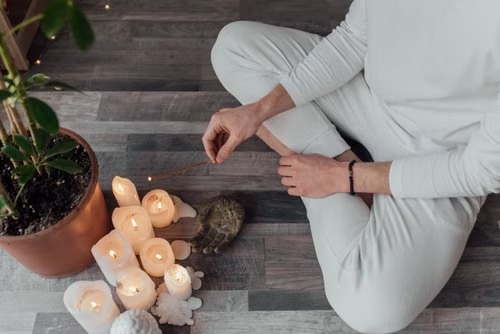
How to Create a Peaceful Energy Corner at Home
You don’t need an entire room for spiritual practice.
Choose a small, clean corner and make it your peace space.
You could include:
- A comfortable cushion or chair
- A small plant
- A candle or diya, used safely
- A meaningful spiritual symbol
- A journal
- A favourite book
- A crystal if you enjoy crystal practices
- Soft lighting
Keep this area relatively uncluttered.
Spend just 5–10 minutes there each day reading, meditating, praying, journaling, or sitting quietly.
The purpose isn’t to create a magical energy field. It is to create a consistent environment that reminds your mind and body to slow down.
Vastu and the Feeling of Different Spaces
Vastu Shastra considers directions, elements, proportions, entrances, rooms, and placement when discussing the harmony of a home.
For example, traditional Vastu principles often pay particular attention to:
- The main entrance
- Kitchen placement
- Bedroom direction
- Prayer or meditation space
- Natural light
- Ventilation
- Clutter
- Directional balance
However, Vastu recommendations can vary depending on the specific tradition and the structure of the property.
For significant changes, a personalised Vastu assessment can be more appropriate than applying one universal rule to every home.
A Simple 10-Minute Ritual to Refresh Your Space
You don’t need an elaborate ritual to make your environment feel different.
Step 1: Open the windows
Allow fresh air and natural light into the room.
Step 2: Remove visible clutter
Put away objects that don’t belong in the space.
Step 3: Add something natural
Place fresh flowers, a plant, or another natural element nearby.
Step 4: Create gentle sound
Play soft music, a calming mantra, or spend the time in silence.
Step 5: Set an intention
Close your eyes and take a few slow breaths.
You can say:
“May this space remain peaceful, positive, and supportive of my wellbeing.”
Whether you view this as an energetic practice or simply a mindfulness ritual, the intention can help you become more conscious of the environment you are creating.
Can a Space Really Change Your Energy?
A space cannot magically solve every emotional or personal problem. However, our surroundings can influence our mood, behaviour, attention, and sense of comfort.
Spiritual traditions describe this through concepts such as energy, vibration, prana, and Vastu. Psychology may explain some of the same experiences through sensory stimulation, environmental cues, memories, and associations.
You don’t necessarily have to choose one explanation.
The most useful approach may be to create surroundings that support the way you want to feel.
- If you want calm, create calm cues.
- If you want creativity, create an inspiring environment.
- If you want focus, remove distractions.
- If you want connection, create spaces where people can comfortably spend time together.
From the Astrologer’s Desk
“People often ask why one house feels peaceful while another, equally beautiful home, feels uncomfortable. I believe the answer is rarely one single factor. The way a space is arranged, the light and air it receives, the memories associated with it, and the intention with which people use it all contribute to its atmosphere. Vastu can offer a framework for understanding that atmosphere, but conscious living is equally important. A peaceful home is ultimately created through peaceful habits.”
Frequently Asked Questions
Why do some places feel peaceful immediately?
Several factors may contribute, including lighting, sound, ventilation, cleanliness, natural surroundings, familiarity, memories, and emotional associations. Spiritual traditions may interpret this experience as the energy or vibration of a space.
Can Vastu make my home more peaceful?
Vastu Shastra provides traditional principles for organising spaces, directions, rooms, and elements. Many people use these principles to create a more harmonious environment. However, Vastu should complement practical considerations such as ventilation, safety, comfort, and functionality.
Which direction is best for a peaceful meditation space?
Traditional Vastu practices often favour certain directions for meditation and spiritual activities, but the ideal placement can depend on the home’s layout and the specific Vastu system being followed. A personalised assessment is preferable for precise recommendations.
Do plants improve the energy of a home?
Plants can make a space feel fresher and more connected to nature. From a Vastu perspective, some plants are traditionally considered more suitable for particular areas of the home. However, plant placement should also consider sunlight, ventilation, watering needs, and safety.
Can crystals make a space more peaceful?
Many crystal traditions associate stones such as amethyst, clear quartz, and rose quartz with calmness, clarity, or emotional balance. Scientific evidence does not establish that crystals change a room’s energy. If you enjoy them, they can still serve as meaningful decorative or mindfulness objects.
How often should I cleanse the energy of my home?
There is no universally required schedule. Simple practices such as cleaning, decluttering, opening windows, lighting a diya safely, praying, meditating, or using calming sounds can be incorporated whenever your space feels stagnant or stressful.
Final Thoughts
A peaceful space doesn’t have to be expensive, perfectly decorated, or filled with spiritual objects.
Often, peace begins with simplicity.
Let in the light. Open the windows. Remove unnecessary clutter. Bring in nature. Reduce noise. Create a corner where you can pause. Most importantly, fill your home with experiences that make you feel safe, connected, and present.
Whether you understand this through Vastu, spirituality, psychology, or simply the way your environment affects your mood, the principle remains similar: the spaces we live in can shape the way we experience our lives.