
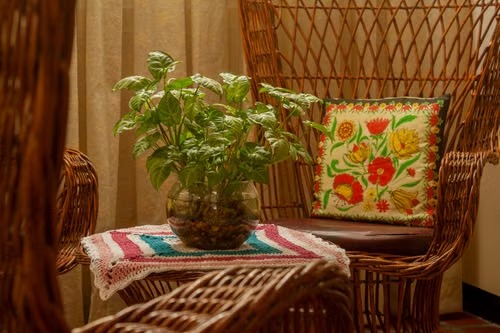
Vastu Plants for Positive Energy: Why Plants Matter
Vastu plants for positive energy are traditionally used to bring freshness, vitality, and balance into different areas of the home. In Vastu Shastra, plants represent living energy because they grow, breathe, and interact with their surroundings.
Unlike static Vastu objects, plants change over time. A healthy plant can add life and freshness to a space, while a neglected or dying plant can create an unbalanced appearance.
The right plant in the right location may also complement the energy associated with a particular direction. Therefore, both plant selection and placement matter when incorporating plants into a Vastu-based home.
Important: Vastu interpretations are part of a traditional belief system. Plant placement should also consider practical factors such as sunlight, ventilation, watering, and the specific needs of each plant.
9 Vastu Plants for Positive Energy
Different plants have traditionally been associated with prosperity, health, harmony, protection, and spiritual wellbeing. Here are nine popular choices and their commonly recommended placements.
1. Tulsi — The Sacred Guardian
Best placement: Northeast, East, or a central courtyard; outdoors where it receives morning sunlight.
Tulsi, or holy basil, holds an important place in Hindu tradition and is associated with Lord Vishnu and Goddess Lakshmi. Many households consider it a sacred plant that promotes purity and positive energy.
From a practical perspective, Tulsi also needs sufficient sunlight and proper drainage to remain healthy.
Vastu tip: A healthy and thriving Tulsi plant is traditionally considered more auspicious than a neglected one.
Image alt text: Tulsi plant as a Vastu plant for positive energy
2. Money Plant — The Prosperity Plant
Best placement: Southeast, North, or along the South wall.
Money Plant, commonly referring to pothos, is one of the most popular indoor plants associated with prosperity and financial growth in Vastu traditions.
Traditionally, its upward growth represents the movement of prosperity. Therefore, many Vastu practitioners recommend providing a support so that the plant grows upward rather than constantly trailing downward.
Vastu tip: Keep the plant healthy and avoid allowing its leaves to become dry or damaged.
3. Lucky Bamboo — The Growth and Strength Plant
Best placement: East or Southeast.
Lucky Bamboo is traditionally associated with growth, flexibility, strength, and prosperity. It is particularly popular in homes and workplaces because it requires relatively little space.
If you grow Lucky Bamboo in water, change the water regularly and keep the container clean. This prevents stagnant water and helps maintain a healthy plant.
Image alt text: Lucky Bamboo plant placement for Vastu positive energy
4. Peace Lily — The Harmony Plant
Best placement: Bedroom, living area, or Northeast.
Peace Lily is widely appreciated as an indoor plant because of its attractive foliage and flowers. In Vastu traditions, it is associated with peace, harmony, and a calmer atmosphere.
It can work particularly well in spaces where family members spend time together.
However, keep plants away from areas where children or pets might chew on them, as Peace Lily can be toxic if ingested.
5. Jasmine — The Love and Peace Plant
Best placement: North or East, particularly near a window that receives morning sunlight.
Jasmine, including varieties such as Mogra, is traditionally associated with love, peace, purity, and positive emotions.
Its fragrance can create a pleasant atmosphere and make it particularly suitable for areas where the family spends time together.
Vastu tip: Give jasmine enough sunlight and airflow so that it can remain healthy and produce flowers.
6. Medicinal Herbs — Plants for Health and Wellbeing
Best placement: East.
A small herb garden can bring both practical and traditional value to a home. Plants such as curry leaf, aloe vera, and other commonly grown herbs can create a fresh and vibrant environment.
The East is traditionally associated with health and vitality in Vastu, making it a popular direction for growing useful plants.
Image alt text: medicinal herbs and Vastu plants for positive energy
7. Neem — The Natural Purifier
Best placement: Northwest or outside the home.
Neem has a long history of traditional use in India and is widely valued for its practical properties. In Vastu traditions, it also carries protective and purifying symbolism.
Because Neem grows into a substantial tree, it is generally more suitable for outdoor spaces than indoor areas.
Vastu tip: Give Neem enough space to grow naturally and avoid planting large trees too close to the house structure.
8. Banana Plant — The Auspicious Plant
Best placement: Northeast or East, preferably outdoors.
The Banana plant holds religious significance in Hindu traditions and is associated with Lord Vishnu. Vastu traditions often connect it with auspiciousness, prosperity, and family wellbeing.
Because Banana plants require space and sunlight, an outdoor garden or suitable open area is generally more practical than keeping one indoors.
9. Marigold — The Solar and Auspicious Plant
Best placement: East, Southeast, or near the main entrance.
Marigold, or Genda Phool, is commonly used in Indian homes, temples, and celebrations. Its bright appearance is traditionally associated with auspiciousness, vitality, and solar energy.
Placing marigolds near an entrance can also add colour and freshness to the home’s exterior.
Image alt text: marigold plant near entrance for Vastu positive energy
Plants to Avoid or Place Carefully
While many plants are traditionally recommended for homes, some require more careful placement according to Vastu principles.
1. Cactus and Thorny Plants
Thorny plants are traditionally associated with sharp or disruptive energy when kept inside the home.
However, that does not mean you must completely remove a cactus you enjoy. A balcony, terrace, garden, or suitable outdoor location may be a better option.
If you keep one indoors, traditional Vastu advice generally recommends avoiding the bedroom, Northeast, and main entrance.
2. Dead or Dying Plants
This is one of the simplest principles to follow.
Remove dead, severely damaged, or dying plants from your living spaces.
Regardless of Vastu beliefs, dead plants can make a home appear neglected. From a traditional Vastu perspective, they represent stagnant or declining energy.
The same principle applies to dead flowers that remain in vases for too long.
3. Bonsai Trees
Bonsai trees are beautiful and carefully cultivated plants. However, some Vastu traditions discourage keeping them indoors because their deliberately restricted growth is symbolically associated with limitations.
This interpretation is particularly emphasized when placing Bonsai in areas associated with career, prosperity, or personal growth.
4. Very Large Trees Close to the House
Large trees require careful planning regardless of Vastu considerations.
Traditionally, very large trees placed extremely close to the South or Southwest walls may be considered unsuitable because these directions are associated with stability and the earth element.
From a practical perspective, large roots, falling branches, moisture, and insufficient sunlight can also affect the structure and surroundings of a home.
How to Choose Vastu Plants for Your Home
Choosing a plant should involve more than simply following a directional rule.
First, consider the amount of sunlight available in the location. A plant that requires direct sunlight will struggle in a dark corner, regardless of how favourable that direction may be according to Vastu.
Next, consider ventilation and watering requirements. Overwatering can damage plants and create an unhealthy environment.
Finally, choose plants that you can realistically maintain. A thriving, well-cared-for plant is more beneficial to your home’s appearance and atmosphere than an expensive plant that cannot survive in its location.
How to Maintain Positive Plant Energy
Once you bring plants into your home, maintenance becomes equally important.
- Remove dry and damaged leaves regularly.
- Do not allow water to stagnate in containers.
- Give each plant the sunlight it requires.
- Keep plant areas clean.
- Remove dead plants promptly.
- Avoid overcrowding rooms with too many plants.
- Prune plants when necessary.
- Keep soil and pots clean.
- Choose healthy plants rather than focusing only on their Vastu direction.
Most importantly, the plant should be alive and thriving.
From the Astrologer’s Desk: “The simplest Vastu plant principle I give clients is to keep living plants healthy and remove anything dead or dying. A thriving Tulsi or marigold can contribute more to the atmosphere of a home than an elaborate arrangement that nobody maintains.”
Frequently Asked Questions
Which plants are best for positive energy according to Vastu?
Tulsi, Money Plant, Lucky Bamboo, Jasmine, Peace Lily, Neem, Banana, and Marigold are among the plants commonly associated with positive energy and auspiciousness in Vastu traditions.
Can I keep plants in the bedroom?
Yes, but choose plants according to the room’s light and ventilation. Peace Lily and small indoor plants can work well. Avoid overcrowding the bedroom with large plants.
Where should I place Tulsi according to Vastu?
Tulsi is traditionally recommended for the Northeast or East. A location with adequate morning sunlight and good drainage is also important for keeping the plant healthy.
Where should I place a Money Plant?
Common Vastu recommendations include the Southeast, North, or South wall. Traditionally, the plant should grow upward with appropriate support.
Can I keep a cactus inside the house?
Traditional Vastu advice generally recommends keeping thorny plants such as cactus outside the main living areas. A balcony, terrace, or garden can be a better location.
Is it bad to keep dead plants at home?
According to Vastu traditions, dead or dying plants represent stagnant energy. Therefore, remove them promptly. From a practical perspective, doing so also keeps your home cleaner and more visually appealing.
Are artificial plants good for Vastu?
Artificial plants do not have the same living quality as real plants and therefore do not carry the same traditional Vastu significance. A healthy, living plant is generally preferred.
Final Thoughts
Vastu plants for positive energy can add beauty, freshness, and a sense of vitality to your home while also complementing traditional Vastu principles.
However, placement should never come at the expense of the plant’s basic needs. Sunlight, water, drainage, ventilation, and regular care are essential.
Whether you choose a sacred Tulsi, a flowering jasmine, a Money Plant, or colourful marigolds, the most important principle remains simple: choose healthy plants, place them thoughtfully.